
The Behavioral Psychology of an EPL Claim: Why Being Technically Right Can Lose Your EPL Claim
Discover why employers who are legally correct still face costly employment litigation. Learn how proper documentation, supervisor training, and consistent policies prevent lawsuits before they start.
Read More
Before the Lawsuit: A Conversation with the Risk Management Expert Who Evaluates Workplace Incidents for Both Sides
Steve Garvy, a risk management expert who works with both plaintiffs and defendants, shares critical insights on how employers can protect themselves before workplace incidents occur.
Read More
WHY NOW: NEW JERSEY JUST MADE CANNABIS EMPLOYMENT LAWSUITS MUCH EASIER
The Sanders v. Levari Group decision allows employees to sue employers directly for cannabis-related discrimination under CREAMMA, changing workplace drug testing policies across New Jersey.
Read More
WHY NOW: THE NEW JERSEY CANNABIS EMPLOYMENT DECISION THAT CHANGES EVERYTHING
The 2026 Monsour-Polanco v. Jersey City ruling establishes that employers cannot terminate employees for lawful off-duty cannabis use, requiring workplace impairment evidence instead of positive THC tests.
Read More
Recognizing Workplace Impairment Before an Incident Occurs
Workplace impairment is one of the most difficult safety challenges organizations face today. As highlighted in Dave Johnson’s ISHN article, “How to Tell When a Co-Worker is Impaired? A Safety Pro’s Challenge,” supervisors are often responsible for recognizing behavioral changes, documenting concerns objectively, and mitigating risk without making assumptions about the underlying cause. Whether impairment stems from fatigue, mental health concerns, prescription medications, alcohol, cannabis, illicit substances, or personal stressors, the result can be increased safety risks, reduced productivity, and organizational liability. Advanced Training Products (ATP) helps organizations address these challenges through workplace impairment training, objective assessment tools, and compliance-focused documentation systems.
Read More
Cannabis Workplace Law: CREAMM Act Blueprint for Employers
Learn how New Jersey's CREAMM Act and WIRE framework are shaping national standards for cannabis workplace policies. Essential guidance for employers on impairment documentation and legal defensibility.
Read More
Cannabis Legalization: Employer Liability & Workplace Safety
As cannabis becomes legal nationwide, employers face mounting liability risks. Learn how to balance workplace safety obligations with employee rights while protecting your organization from litigation.
Read More
Why Cannabis Legalization Cannot Be Reversed: Fiscal Lock-In
Cannabis legalization has become economically irreversible due to deep financial system integration, billions in tax revenue, and employment dependency. Learn why this policy shift is permanent.
Read More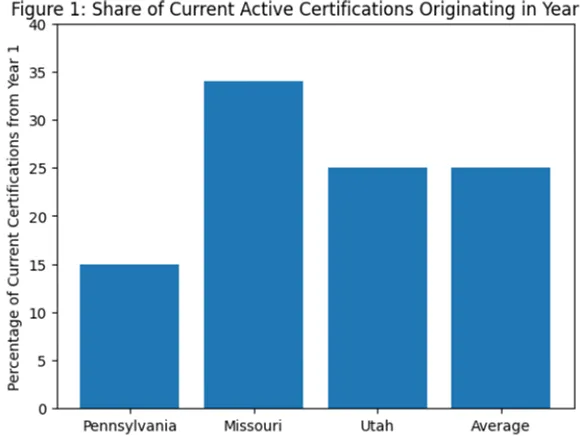
Cannabis Adoption: Why Growth Is Persistent & Irreversible
State data from Pennsylvania, Missouri, and Utah reveals medical cannabis adoption follows predictable growth patterns that become structurally embedded, with federal rescheduling set to accelerate this trend.
Read MoreWorkplace Impairment in the Age of Legal Cannabis: Compliance, Science, and the Role of the WIRE - A Practical Guide for New Jersey Employers
Read MoreEmpowering Workplace Safety and Well-being Through AI-Driven Solutions: Enhancing Workplace Impairment Prevention Through Total Worker Health®
Read MoreUnleashing the Power of AI for Real-Time Performance Monitoring and Feedback: Enhancing Workplace Impairment Prevention through Total Worker Health®
Read MoreEmpowering Workplaces with AI-Powered Skill Assessment and Gap Identification: Enhancing Impairment Prevention through Total Worker Health®
Read MoreUnleashing the Power of AI for Adaptive and Personalized Feedback: Enhancing Workplace Impairment Prevention through Total Worker Health®
Read MoreNote: This material is for informational purposes only and should not be construed as legal advice or counsel. We recommend consulting legal counsel before taking any action.
Ready to Protect Your Workplace?
Let us help you build a comprehensive impairment risk management program.